UDA AFRICA · WAYS OF LIFE
Ways of Life
A living inheritance of ethics, memory, and character — passed down before any single belief system, still guiding how we walk with one another today.
THE OVERVIEW
Frameworks for Living, Across Traditions
Beyond specific spiritual systems, African philosophy offers ethical and spiritual principles that guide conduct, relationship, and self-understanding independent of any single practice — wisdom shared across traditions and regions, and still lived today.
Four Ways of Life
Four foundational concepts, each carved from distinct traditions, that together offer a shared grammar for ethics and community.
- Ma'at
Truth, balance, and order — living rightly opposes isfet, chaos and injustice.
- Ubuntu
I am because we are — personhood achieved through relationship and shared humanity.
- Sankofa
Look back to move forward — reclaiming what was left behind.
- Iwa Pele
Good character as the truest measure of a spiritual life.
KEMETIC PRINCIPLE
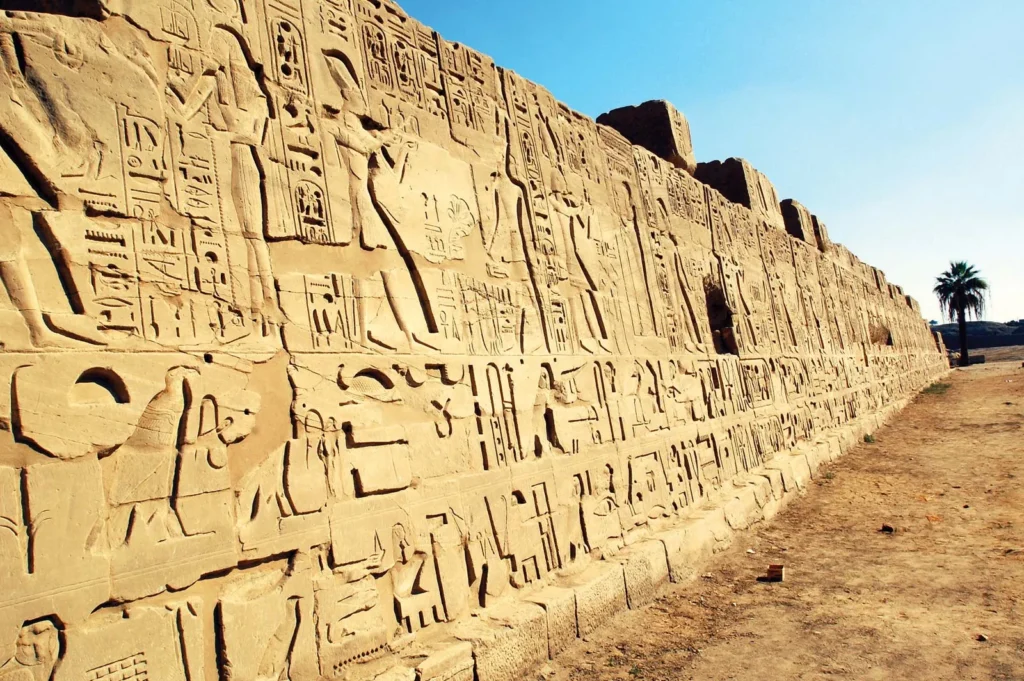
Ma'at — Truth, Balance, and Order
Both goddess and guiding ethical concept, Ma'at names truth, balance, justice, order, and harmony — standing against isfet, chaos and injustice. To 'live in Ma'at' meant honesty, fairness, reciprocity, and moderation, extended from personal conduct to governance itself.
- Honesty and fairness in daily conduct
- Reciprocity and moderation over excess
- Governance held to the same standard as the person
- Central to the afterlife's weighing of the heart
SOUTHERN AFRICAN PHILOSOPHY
Ubuntu — I Am Because We Are
Rooted in Nguni Bantu thought, Ubuntu centers shared humanity and interdependence: personhood is achieved through relationship, and to harm another is to diminish oneself. It shaped African social structures and conflict resolution long before gaining global recognition through South Africa's post-apartheid reconciliation.
- Personhood achieved through relationship
- Restorative rather than punitive justice
- Compassion and hospitality as daily practice
- A grounding force in post-apartheid reconciliation

AKAN PROVERB & SYMBOL
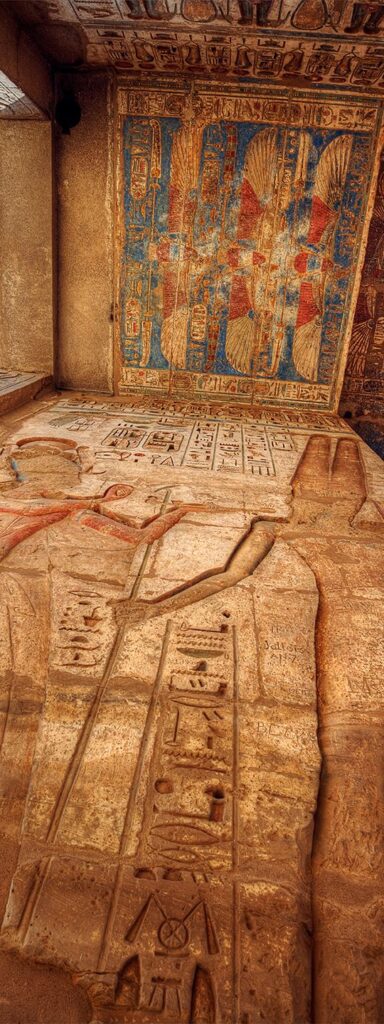
Sankofa — Looking Back to Move Forward
"Se wo were fi na wosankofa a yenkyi" — it is not wrong to go back for that which you have forgotten. From the Akan people of Ghana, Sankofa is symbolized by a mythical bird reaching backward for an egg carried on its own back.
For the diaspora especially, Sankofa offers a powerful framework for cultural reclamation — retrieving what was scattered, so it may be carried forward whole.
YORUBA IDEAL
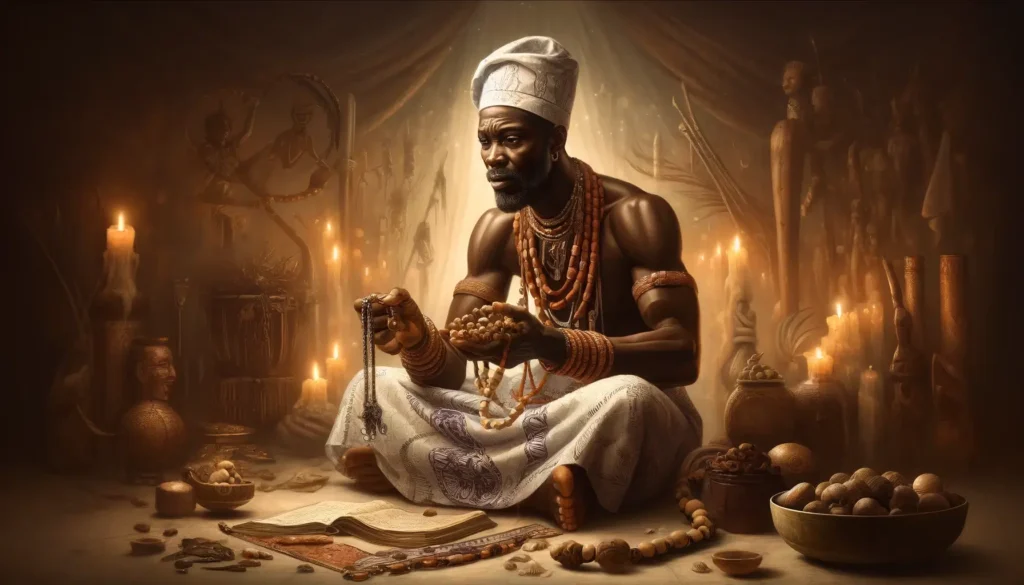
Iwa Pele — The Gentle, Good Character
Translated as 'gentle' or 'good character,' Iwa Pele holds that character — not ritual alone — is the essence of a spiritual life. Central to Ifá ethics, it names patience, humility, honesty, generosity, and restraint as the truest measure of spiritual development.
- Patience
- Humility
- Honesty
- Generosity
- Restraint