UDA AFRICA · SPIRITUAL SYSTEMS
Reclaiming Our Roots, Restoring Our Wisdom
Africa and its diaspora hold some of the world's oldest living spiritual traditions — systems of belief that have shaped ethics, healing, art, and community for thousands of years, practiced by millions today.
Living Systems
An Introduction, Not an Initiation
This page introduces five major systems — Kemetic spirituality, Ifá, Vodou, Lukumí, and Candomblé. Each carries its own history, cosmology, ritual practice, and living community, though many share common roots in West and Central African belief systems carried through the transatlantic diaspora.
These are respectful, introductory overviews — not substitutes for initiation, lineage, or direct teaching. For deeper study, connect with qualified educators and organizations in UDA's directories.
Five Living Traditions at a Glance
Each carries its own lineage, cosmology, and language of the sacred.
- Kemetic
Ancient Egyptian cosmology centered on Ma'at and the temple gods.
- Ifá
Yoruba divination and wisdom through Orunmila and the Odu.
- Vodou
Haitian service to the lwa, born of Fon, Kongo, and Yoruba roots.
- Lukumí
Cuban orisha devotion carried forward by enslaved Yoruba ancestors.
- Candomblé
Brazilian orixá worship of Yoruba, Jeje, and Bantu peoples.
01 — Kemetic Spirituality
Ma'at and the Gods of Kemet
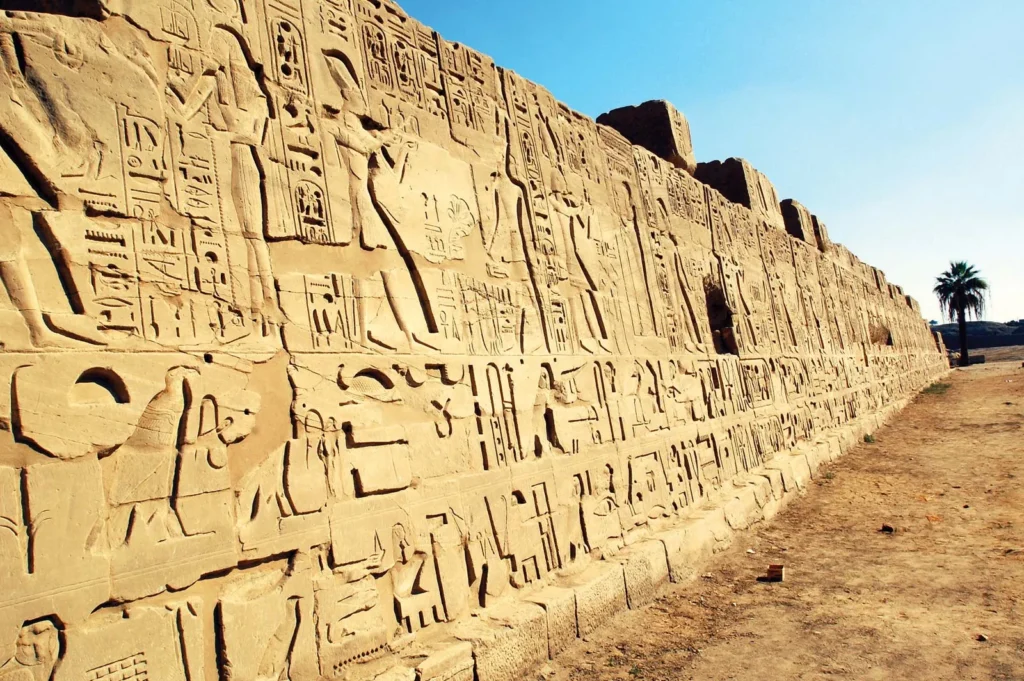
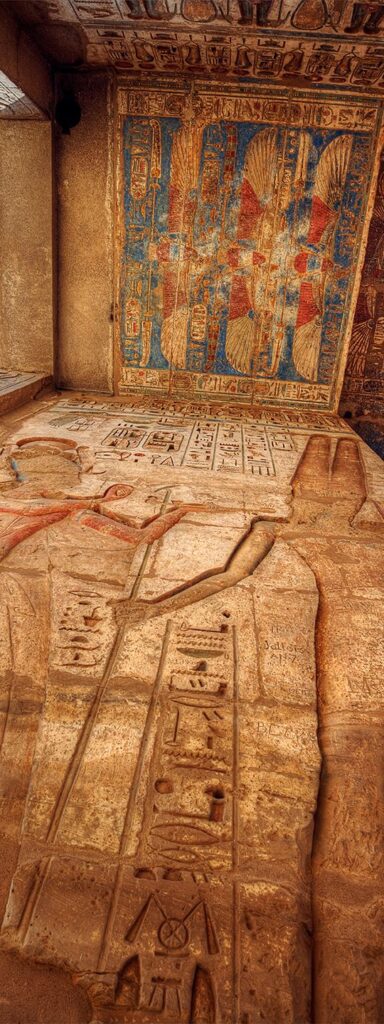
Rooted in ancient Egypt — Kemet — this tradition centers on Ma'at: truth, balance, justice, and cosmic order. Temple worship, offerings, and festivals tied to the rhythms of the Nile connected daily life to the divine.
- Ra — sun and creation
- Isis — magic and motherhood
- Osiris — death and rebirth
- Thoth — wisdom and writing
The Book of the Dead guided the soul's journey beyond life. Today, modern Kemetic Reconstructionism and Kemetic Orthodoxy adapt these ancient sources for contemporary practice.
02 — Ifá
Orunmila and the Odu Ifá
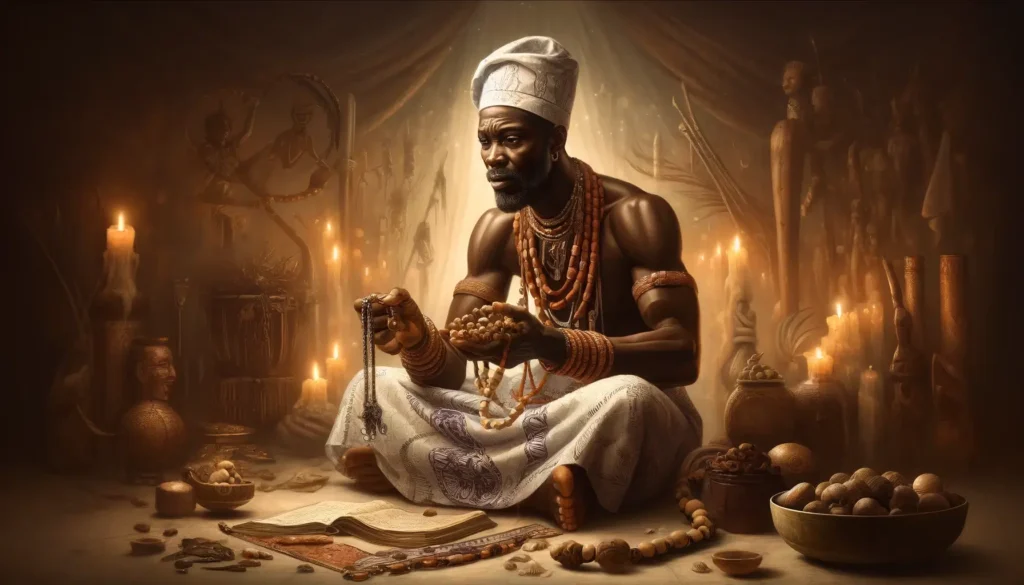
Ifá is a Yoruba divination and wisdom system centered on Orunmila, preserved through the Odu Ifá — sacred verses recited and interpreted by trained priests. At its core is iwa: good character as the foundation of a well-lived life.
- Babalawos and iyanifas divine using the opele or ikin
- Wisdom is transmitted through the Odu Ifá's sacred verses
- Practiced across Nigeria and Benin, and throughout the diaspora in Cuba, Brazil, and the US
03 — Vodou
Service to the Lwa and Bondye
Haitian Vodou emerged as Fon, Kongo, and Yoruba traditions met Taíno spirituality and colonial Catholicism in Saint-Domingue. Practitioners serve the lwa — spirits who mediate between humanity and Bondye, the distant supreme creator.
- Guided by houngans (priests) and mambos (priestesses)
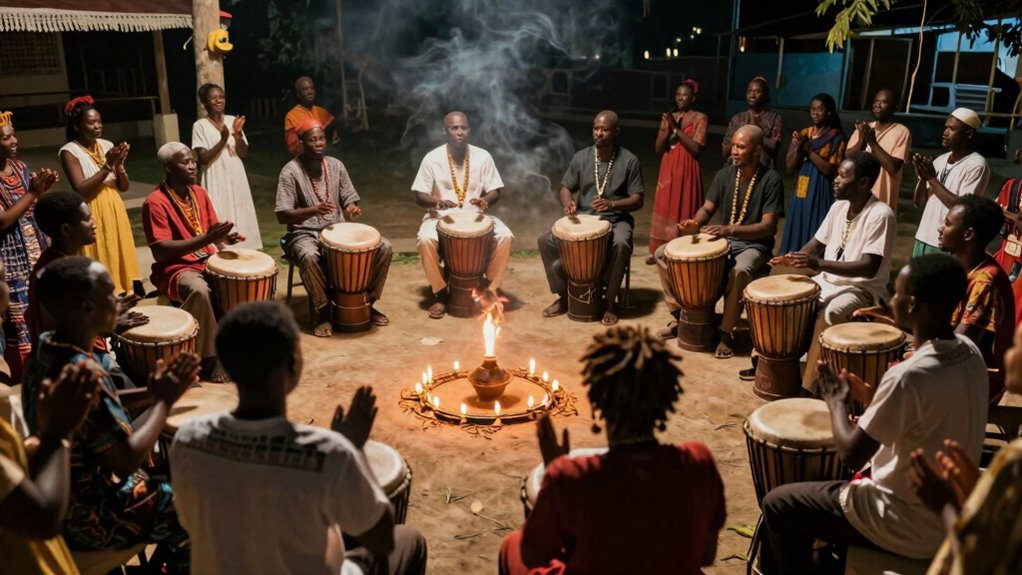
- Ceremony centers on drumming, song, and possession by the lwa
- Central to Haitian identity and the Haitian Revolution
04 — Lukumí
Orisha Devotion in Cuba
Lukumí developed in Cuba among enslaved Yoruba, who wove orisha practice together with Catholic imagery to preserve their gods under colonial rule.
- Yemayá — sea and motherhood
- Ogún — iron and labor
- Changó — fire, thunder, and justice
- Oshún — love and rivers
A structured lineage of padrinos and madrinas guides initiates through casas — houses of faith — from the first elekes to full priesthood.
05 — Candomblé
Orixás of Brazil
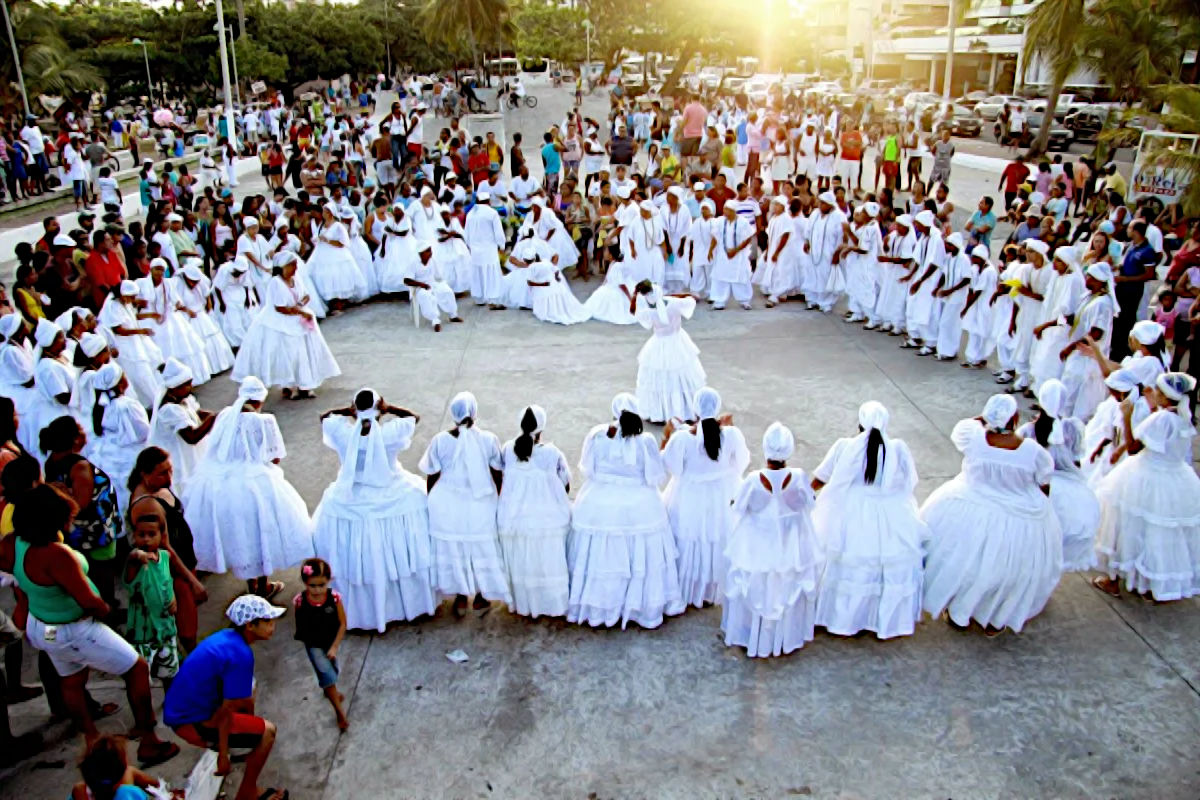
Candomblé emerged in Brazil among Yoruba, Fon (Jeje), and Bantu peoples. The orixás are called through drumming, song, and possession trance, in ceremonies that carry deep spiritual weight.
- Terreiros led by mães and pais de santo remain vital centers of practice
- Possession trance connects the community directly to the orixás
- A lasting force in Afro-Brazilian culture and identity